Builder Confidence Hits a 14-Year Low as 46% of Builders Cut Prices
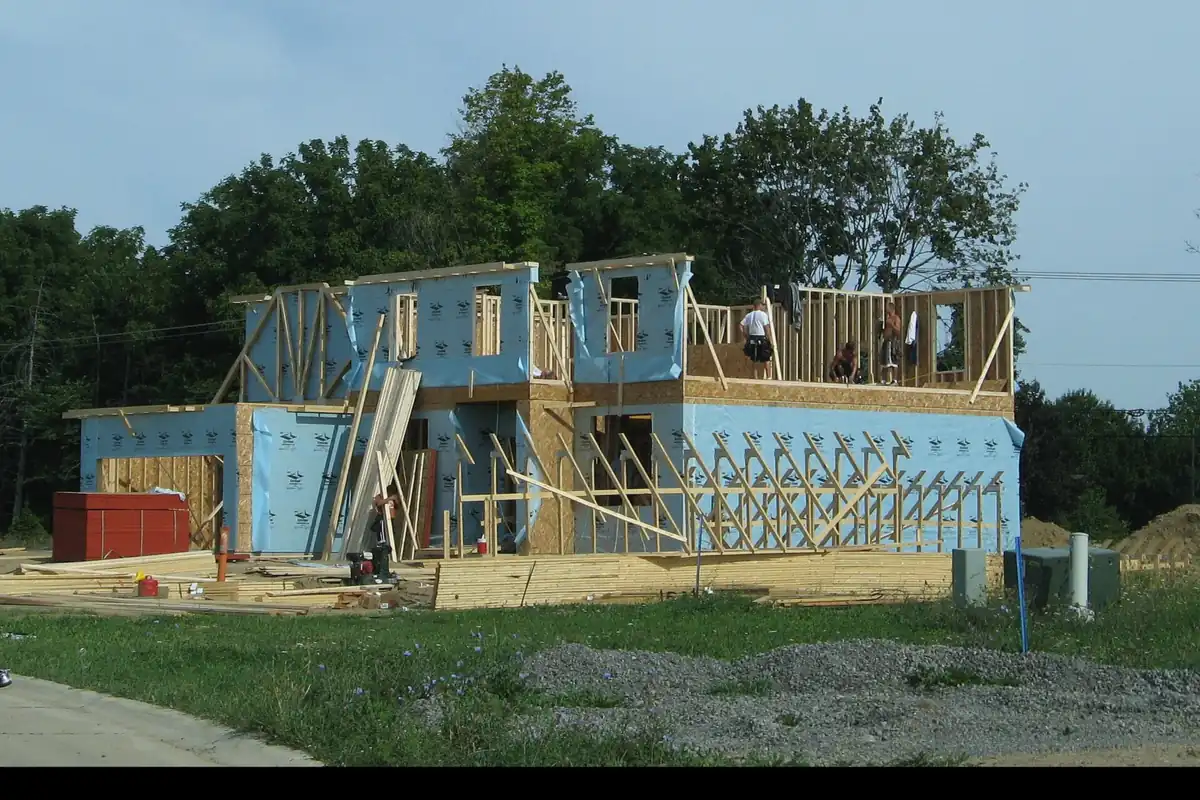
Builder confidence fell hard in November. The NAHB/Wells Fargo Housing Market Index dropped 4 points to 25 — its lowest reading since April 2012 — as high mortgage rates, stubborn inflation and rising costs kept buyers on the sidelines. But the number that matters most if you are shopping for a new home sits in the same survey: 46% of builders cut prices in November, the highest share in the post-Covid period, and 68% offered sales incentives. Builders are negotiating. The headline reading also missed expectations by a wide margin — economists polled by Reuters had forecast 29.
Below: the November builder confidence report number by number, why builders are cutting prices now, what the average 6% cut and a rate buydown are worth in real dollars, and how to use the leverage while it lasts. If you are pricing a new build, run your own figures in our mortgage calculator as you read — and test the result against your income in our affordability calculator.
The November builder confidence report, number by number
The National Association of Home Builders released the November survey on Tuesday, November 17. Every component fell:
- Headline index: 25 — down 4 points from October and the lowest since April 2012; below 50, more builders rate conditions poor than good
- Current sales conditions: 28 — down 6 points, the sharpest drop in the survey
- Sales expectations for the next six months: 30 — down 2 points; builders do not see a quick turn
- Prospective buyer traffic: 16 — down 2 points, the lowest in 15 years apart from the start of the COVID pandemic in 2020
- Price cuts: 46% of builders — the highest share in the post-Covid period, with the average cut holding at 6% for an eighth straight month
- Sales incentives: 68% of builders — offered incentives of some kind, from closing-cost help to interest-rate buydowns
This is not one soft line in an otherwise steady report. Sales today, sales expected tomorrow and the flow of shoppers through model homes all weakened at once — and the traffic reading, at 16, is the one builders themselves watch first.
Why are builders cutting prices?
Because the monthly payment is the product now. As NAHB reported from Freddie Mac data, the average 30-year fixed rate eased from 7.40% in mid-October — a three-year high — to 7.18%. That is relief, but not enough of it: at either level, the payment on a typical new home still shuts out too many households. Traffic at 16 says shoppers are not even walking into model homes, so builders are competing on the only levers they control — the sticker price and the financing.
The squeeze runs from the other side too. NAHB points to ongoing inflation pressure, elevated energy and material costs and labour shortages pushing builders' costs up while demand falls. That combination is why the discounting is broad rather than theatrical: when 46% of an entire industry cuts prices in the same month and 68% adds incentives, it is a market clearing at a lower level, not a promotion. It is the same affordability wall we saw last month in pending home sales at a 25-year low — now it is the builders, not just resale sellers, doing the adjusting.
What the average price cut is worth in dollars
Percentages are abstract; payments are not. Here is the average November cut translated into money:
- A 6% cut on a $450,000 new home is $27,000 off — a $423,000 price
- With 20% down, the loan falls from $360,000 to $338,400, and at 7.18% the monthly principal and interest drops from $2,438.77 to $2,292.44 — $146.33 less every month
- A rate buydown can rival the cut: on a $400,000 loan, a builder-funded buydown from 7.18% to 6.68% takes the payment from $2,709.74 to $2,575.81 — $133.93 a month — without moving the price at all
- All figures are principal and interest only — taxes, insurance and any PMI come on top
Which offer wins depends on how long you keep the loan and whether you expect to refinance. A price cut lowers the loan, the payment and the interest for the life of the loan; a buydown concentrates its value in the payment and matters most if you stay put. Put both versions of any deal you are offered through the calculator and compare the monthly figure, not the headline discount.
How should new-construction buyers use this market?
Negotiate the financing, not just the price
With 68% of builders already offering incentives, asking costs nothing and the menu is wide: permanent rate buydowns, closing-cost credits, design upgrades, extended rate locks. A half-point buydown is worth $133.93 a month on a $400,000 loan at today's rates — often more than the last $10,000 of price haggling, and builders frequently prefer it because it does not reset the recorded price for the whole street.
Buy the payment, not the headline
None of this negotiating room repeals the basic test. At 7.18%, even a discounted new home carries a heavy payment, and traffic is at a 15-year low partly because so many households fail that test honestly. Buy if the payment on the discounted price fits your budget with room to spare — run it through the affordability calculator with taxes and insurance included. If the deal only works assuming rates rescue you later, the discount is not big enough yet.
Remember that supply cuts both ways
Today's leverage exists because demand is weak — but builders are responding by building less, as we reported in housing starts falling as applications sank. Fewer starts now mean fewer finished homes competing for buyers next year. The window where builders discount this aggressively is unlikely to stay open once rates genuinely fall and the sidelined buyers return.
What to watch next
The next test lands within hours: the FOMC minutes, due later today at 19:00 GMT, will show how the Federal Reserve weighed inflation against a cooling housing market at its last meeting, and mortgage rates will trade on the tone. After that, the December Fed meeting is the big one. If rates ease meaningfully, expect builder incentives to shrink as quickly as they grew; if rates climb back toward the mid-October high, the discounting deepens. We track the weekly averages in our weekly mortgage rate snapshot.
The bottom line
Builder confidence at 25 — a 14-year low, with buyer traffic at a 15-year low — is bad news for builders and a genuine opening for the buyers who can still qualify. Nearly half of builders cut prices in November, by an average of 6%, and two-thirds are paying for incentives on top. Negotiate hard, price the financing as carefully as the home, and buy only the payment you can carry at today's 7.18% — not the one that needs rates to fall. This article is educational only and is not financial advice; speak with a licensed mortgage professional about your own situation.
Sources: National Association of Home Builders / Wells Fargo Housing Market Index, November 2026, released November 17, 2026; Reuters poll of economists (forecast: 29). Payment examples are principal and interest only, 30-year fixed terms.
Frequently asked questions
What is the NAHB builder confidence index, and what does a reading of 25 mean?
The NAHB/Wells Fargo Housing Market Index surveys builders each month on current sales, expected sales and buyer traffic, scored from 0 to 100. Above 50 means more builders rate conditions good than poor. November's reading of 25 — the lowest since April 2012 — means pessimists outnumber optimists two to one, with buyer traffic at 16, its weakest in 15 years outside the start of the pandemic.
Why are builders cutting prices in November 2026?
Because the monthly payment is what buyers actually shop, and it is still too high. The average 30-year fixed rate eased from 7.40% in mid-October to 7.18%, but at either level too few households can qualify or stretch to new-home prices. With buyer traffic at a 15-year low, builders are competing on the levers they control — the sticker price (46% cut it in November, by an average of 6%) and financing incentives (68% offered them).
Is now a good time to buy a new construction home?
It is the strongest negotiating position new-build buyers have had in years: nearly half of builders cutting prices, two-thirds offering incentives such as rate buydowns and closing-cost credits, and thin competition from other buyers. The catch is the payment itself — at 7.18%, buy only if the payment on the discounted price fits your budget with room to spare. If it only works assuming rates fall, waiting is still the honest answer.
What is a builder rate buydown worth in dollars?
On a $400,000 loan at 7.18%, principal and interest are $2,709.74 a month. A builder-funded buydown of half a point, to 6.68%, cuts that to $2,575.81 — $133.93 less every month, without changing the price. Compare that with the average 6% price cut: on a $450,000 home with 20% down it saves $146.33 a month. Run both offers side by side in our mortgage calculator before you sign.
Related calculators & guides
About the Global Mortgage Calculator Team
The Global Mortgage Calculator Team builds the mortgage, HELOC and refinance calculators on this site and keeps them aligned with how US lenders actually price loans. Every calculator uses the standard amortization formulas set out in our methodology, is tested against worked examples before release, and our rate commentary is tied to published data — Freddie Mac's weekly survey and Federal Reserve releases — never to opinion.